
What to Know About Impersonation Scams

Scammers are getting creative, and one of their latest tricks involves impersonating banks and credit unions over the phone. Here's what you need to know to protect yourself.
How the Scam Works
You get a call from someone claiming to be from Priority Trust Credit Union. They tell you your account has been compromised and that you need to act fast to secure your funds to open your "new" account. Their "solution"? Send your money through a third-party service like Cash App, Venmo, or Zelle to keep it safe.
We will never ask you to do that. Ever.
What Priority Trust Will Never Do
We won't ask you to move money through third-party payment apps to "protect" your account. We won't pressure you to act immediately without giving you time to verify. And we won't ask for your full account credentials over the phone.
We will also never discourage you from talking to our staff in person. Scammers sometimes tell people not to visit a branch or claim that branch employees are involved in the fraud. This is a major red flag.
If something feels off about a call, hang up and call us directly at 713-970-6200. We'd rather you check in with us than risk your money.
How to Protect Yourself
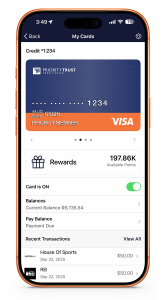
Monitor your account activity closely. Priority Wallet makes this easy with real-time alerts that notify you of every transaction as it happens. You can track your accounts, lock your card instantly if something looks wrong, and catch unauthorized activity before it becomes a bigger problem.
And here's something important: you have 60 days to dispute unauthorized transactions. The sooner you spot something suspicious, the easier it is to resolve.
Take Action Now
Access Priority Wallet through our Mobile App or on the desktop if you haven't already. Set up alerts so you know exactly what's happening with your accounts. Review your recent transactions to make sure everything looks legitimate. And if you ever get a call that doesn't feel right, contact us at 713-970-6200.
We're here to help keep your money safe, but staying informed is your best defense.